
For as long as I can remember, I’ve been fascinated by movies—not just the stories on the screen, but the way they make us feel. How can a movie make us laugh one minute and cry the next? How can something we know isn’t real make us completely believe it?
And perhaps the question that has fascinated me most throughout my life: How did they do that?
I think that curiosity really took hold when I was a kid.
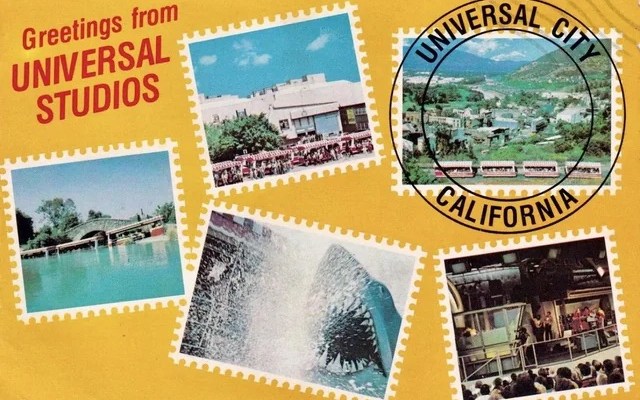
Around 1977, I visited Universal Studios Hollywood and got my first real glimpse behind the curtain. I remember exploring the different attractions and discovering how movies and television shows were actually made. There was the live Western stunt show, the Special Effects Stage, where we learned how Foley artists created sound effects, and, of course, the famous backlot tram tour.
That tour changed the way I looked at movies forever.
As the tram carried us through the backlot, I began to understand that what we see on the screen is only half the story. We passed the bungalows associated with people like Lucille Ball and Alfred Hitchcock, and I was hooked.
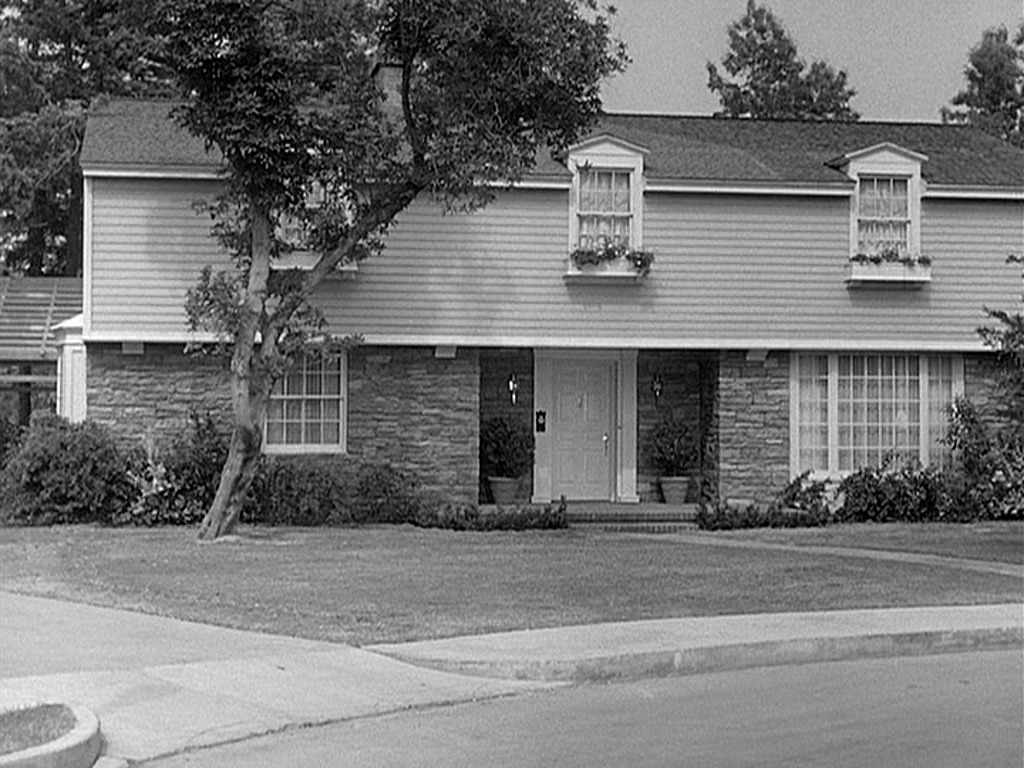
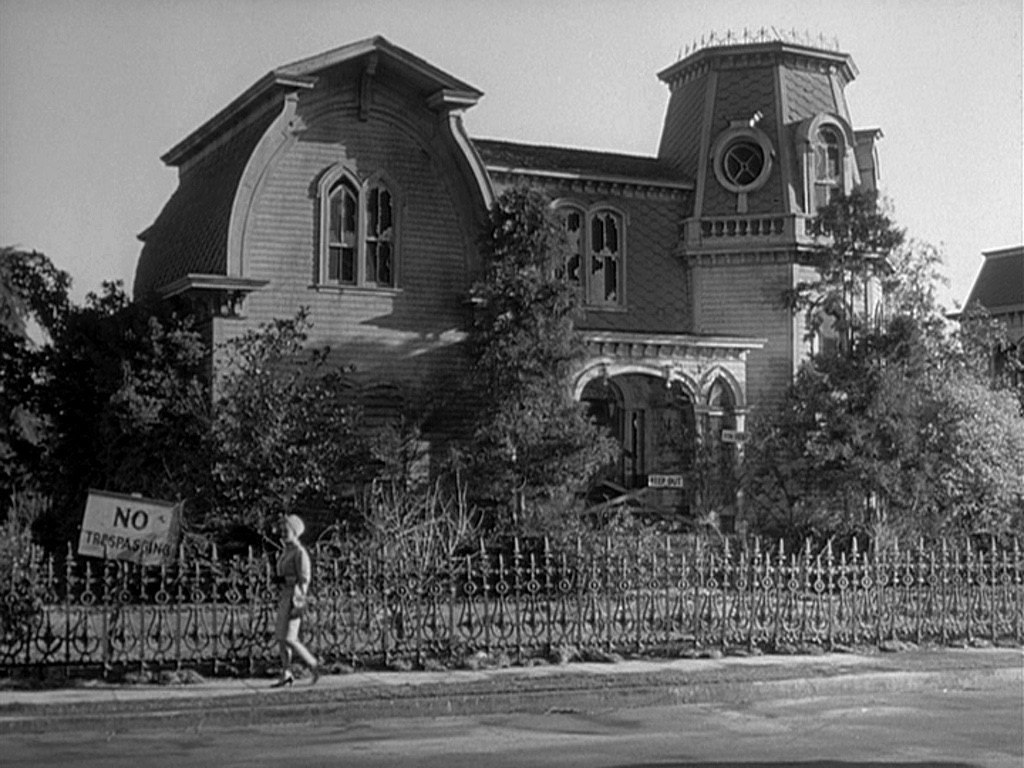
Then came the familiar houses and neighborhoods I recognized from television. We passed homes used in classic shows such as Dennis the Menace, Leave It to Beaver, and The Munsters. I remember being amazed when our guide explained that many of those beautiful “houses” were really just facades. Behind the front doors and windows weren’t bedrooms and kitchens, but beams, supports, equipment and storage.
It felt like someone had revealed the secret behind a magic trick.
We drove through streets lined with storefronts that could become almost anything a production needed. With a few signs, props and decorations, a street that looked like Italy one day could become New York the next.
There were streets from the Wild West, and then we’d turn a corner and suddenly find ourselves somewhere completely different. I remember seeing the old sets associated with The Hunchback of Notre Dame. Then came the flash flood in a Mexican village. We even experienced the parting of the Red Sea and drove right into the water.
I learned that Gilligan’s Island had been filmed on the Universal lot. We crossed a bridge that seemed to collapse beneath the weight of our tram, only to watch it rebuild itself afterward. At another point, what looked like a terrifying rockslide came tumbling down a huge hillside directly toward us—only for the guide to reveal that the enormous “rocks” were actually lightweight props.
To a kid, it was incredible.
But more importantly, it planted a seed.
I became fascinated not only with what audiences see, but with everything happening behind the scenes—the people, creativity, planning, engineering and sometimes wonderfully simple tricks required to create the final illusion.
Looking back, I realize that fascination with what happens “behind the scenes” became a theme throughout much of my life.
My own first taste came through marching band in high school, eventually becoming band president. During those years I was also working at McDonald’s. From there, the stages just kept getting bigger.
I became involved with the Blue Devils Drum & Bugle Corps. A few years later came Marine World Africa USA, then Disneyland. Along the way, I worked as a page for various television sitcoms, became a seat filler at awards shows, worked as a paid extra, and eventually found myself back where so much of that childhood fascination had begun—working at Universal Studios Hollywood, this time as a restaurant manager.
There was something wonderfully full-circle about that.
The kid who once sat on a tram staring in amazement at movie sets was now working on the very studio lot that had sparked his imagination decades earlier.
My curiosity followed me home, too. Over the years, I began collecting books about old Hollywood and reading biographies of the legendary studio moguls, actors, filmmakers and creative people who built the entertainment industry. Two subjects eventually became the largest parts of my collection: I Love Lucy and the worlds of Walt Disney and Disneyland.
Now, nearly 49 years after that childhood visit to Universal Studios, I’m still asking the same question:
How did they do that?
I listen to audiobooks. I watch documentaries. I read about the people whose names appeared in the credits and the people whose names sometimes never appeared at all. I love discovering how an idea became a script, how a set was built, how an effect was created, or how hundreds of people worked together to produce a few unforgettable minutes on a screen.
Maybe that’s what has kept me fascinated all these years.
I still love the magic of movies.
I just love knowing how the magic was made, too.

